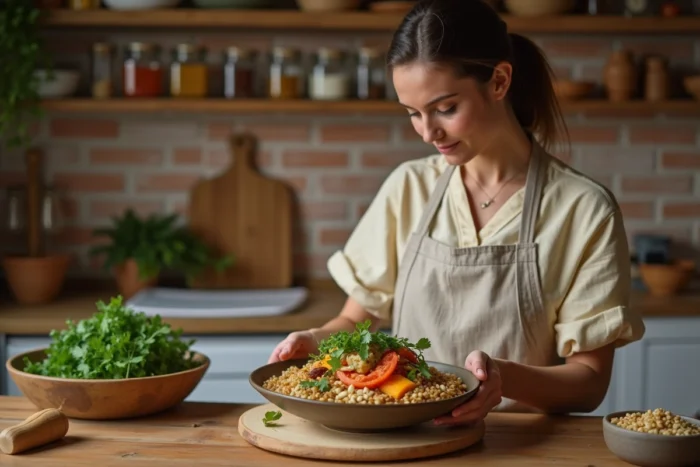
What has been guiding culinary searches since the beginning of the year is a shift towards shorter recipes in terms of ingredients, more attentive to cooking techniques, and less focused on the usual animal proteins.
The context is quite clear: the rising cost of meat and fish is prompting a rethink of dish compositions, while long-forgotten preparations are resurfacing on summer tables.
“Simplex” Cooking: Fewer Ingredients, More Control Over Cooking
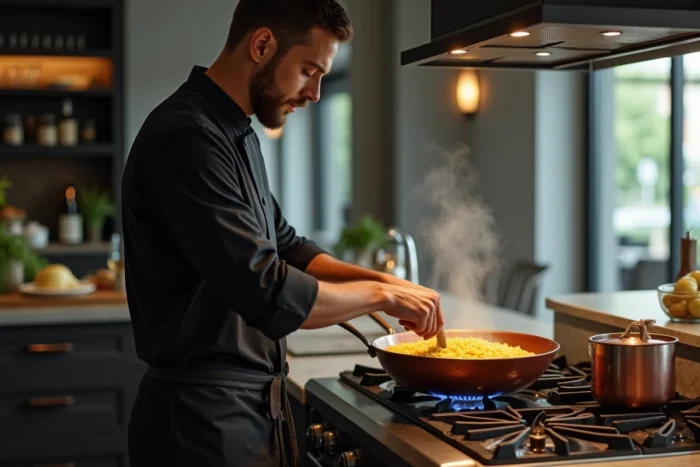
The trend identified as “simplex” in 2026 is not just about cooking quickly. It involves reducing the list of ingredients in a dish to focus attention on the cooking technique. A roasted chicken with three herbs, a dry-grilled vegetable, melted chocolate without unnecessary additions: the result relies on temperature, time, and technique.
This approach changes how people search for recipe ideas. Instead of typing “easy chicken recipe,” a growing share of queries focuses on the method: “low-temperature chicken cooking,” “grilling vegetables without fat.” Cooking becomes the main subject, not the side dish.
For amateur cooks, this implies a different investment. Less spending on gourmet groceries, but a cooking thermometer, a decent cast-iron skillet, and the time to observe what’s happening in the pot. Those who wish to explore this logic can consult the TwimmCook website where recipes are organized by technique rather than by type of dish.
Legumes and Grains at the Center of the Dish: An Economic as Well as Culinary Choice
Plant-based foods are gaining ground on French plates, and the reason is not solely ethical. The rising prices of meat and fish are prompting both amateurs and professionals to reposition vegetables, lentils, chickpeas, and grains as the base of the meal. Meat sometimes becomes a mere condiment, with a few slices of beef on a bowl of brown rice, a piece of smoked bacon in a bean soup.
This shift modifies the very structure of recipes. A traditional dish started with the animal protein (which cut, what cooking method) and added a side. The logic is reversed: you start with the grain or vegetable, choose its preparation, and then decide if a meaty touch adds anything.
Three Plant-Based Staples That Transform a Meal
- Red lentils, which cook in about fifteen minutes without soaking and absorb spices well, especially cumin, turmeric, or smoked paprika
- Bulgur, quicker than brown rice, which works well in both cold tabbouleh and hot pilaf with roasted vegetables
- Canned chickpeas, drained and roasted in the oven with a drizzle of olive oil until crispy, to replace croutons in a salad or garnish a dish
This orientation does not require giving up rich flavors. A dish of lentils with red wine and caramelized shallots rivals the depth of many braised beef recipes.
Unknown Fish and Crusty Dishes: Two Overlooked Angles in Recipe Sites
Culinary platforms focus their marine suggestions on salmon, cod, and shrimp. The 2026 trend diverges from this. Less well-known fish, often more local and cheaper, are gaining visibility: pollock, whiting, mackerel, and horse mackerel. Their common point is an accessible price and a flesh that withstands robust cooking methods (grilling, en papillote, lemon marinade).
Cooking these species requires some adjustment. Whiting, for example, has a delicate flesh that breaks apart if handled too much. Mackerel, very fatty, benefits from being paired with a marked acidity (cider vinegar, citrus, pickles). These are simple technical constraints, but rarely explained on major recipe sites that merely list ingredients.
The Return of Pies, Meat Pies, and Vol-au-Vents
Convenient pastry preparations are gaining ground. Meat pie, filled pies, vol-au-vent: these dishes, once considered “kitsch,” are returning as central pieces of shared meals. Their practical advantage is real: they can be prepared in advance, transported easily, and sliced at the table without any fuss.
A summer vegetable pie (zucchini, confit tomatoes, goat cheese) with homemade or store-bought puff pastry makes for a complete dish. Chocolate, beef, or chicken also lend themselves to these formats: chicken and mushroom pie, duck meat pie.
Seasonal Recipes and Anti-Waste Approach: What Structures Searches
Recipe-related queries follow a marked seasonal cycle. In summer, searches focus on salads, barbecues, cold dishes, and homemade drinks (craft beer, lemonade, infusions). What changes in 2026 is the rise of cross-searches: “tomato recipe + zero waste,” “spices + leftover rice,” “complete dish + small budget.”
- The use of vegetable tops (carrots, radishes, beets) in pestos or cold soups
- The transformation of stale bread into homemade breadcrumbs, savory French toast, or flavored croutons
- The freezing of leftover red wine to later incorporate it into sauces or braises
Sustainability in cooking is now measured by concrete criteria such as the reparability of equipment and the life cycle analysis of utensils, not just by the choice of ingredients. This evolution affects both the content of recipes and the environment in which we cook.
The most circulated recipe ideas are no longer those that accumulate steps or rare ingredients. They are those that explain a technique, highlight a common product, and allow for some adaptation. A controlled cooking process and well-balanced flavors matter more than the length of the shopping list.