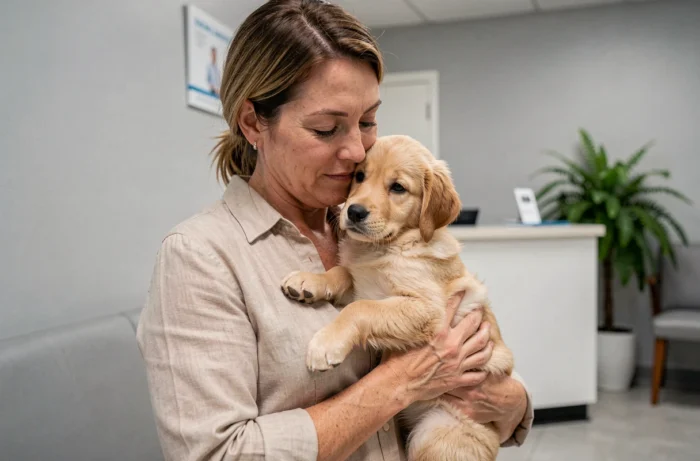
The protection of pets in France is going through a pivotal period. With a European regulation published in August 2026, overcrowded shelters after a record summer, and rising veterinary costs, the parameters to monitor to ensure the well-being of our dogs and cats are multiplying. What indicators allow us to measure the real state of animal protection in 2026?
European Regulation on the Traceability of Dogs and Cats: Timeline and Obligations
The European regulation published in the Official Journal of the EU on August 10, 2026 constitutes the first unique and binding legal framework for the traceability of dogs and cats in the 27 member states. Two key measures stand out.
The microchip becomes mandatory for all dogs and cats residing or moving within the EU, with an interconnection of national databases. Online advertising platforms will have to verify the seller’s identity and the actual microchipping of the animal before publishing an offer.
| Category | Compliance Deadline |
|---|---|
| Professionals (breeders, sellers, shelters) | August 31, 2030 |
| Dogs already owned by individuals | August 31, 2036 |
| Cats already owned by individuals | August 31, 2041 |
The text also prohibits cosmetic surgeries (ear and tail docking) and more strictly regulates breeding by banning inbreeding. These staggered deadlines over fifteen years give individuals time to regularize their situation, but professionals have less than four years to adapt.
Several concrete elements deserve to be monitored regularly, and articles on actu-animaux.fr provide updates on the evolution of these obligations as well as daily news on animal protection.

Summer 2026 in Shelters: Unprecedented Overcrowding Figures
The SPA welcomed a record number of animals during the summer of 2026, pushing shelters to the brink. This phenomenon is not new, but its scale marks a turning point. Summer abandonments remain the primary factor for overcrowding, amplified by a structural lack of available spaces.
In parallel, the inter-ministerial action plan presented by the Prime Minister at the end of July 2026 directly targets this issue. The announced measures aim to strengthen the fight against abandonments and better regulate the conditions of care in associative structures.
Abandonment and Identification: Two Linked Variables
The interconnection of databases provided for by the European regulation could, in the long term, reduce the number of unidentified animals arriving in shelters. Today, a significant portion of the dogs and cats taken in do not have a tag or readable microchip, complicating their return.
The tag remains the quickest way to identify an animal during an emergency intake. The microchip, on the other hand, guarantees reliable traceability as long as the owner’s contact information is up to date in the national database.
Veterinary Costs and Pet Insurance: What Changes in 2026
The Competition Authority has looked into veterinary costs in 2026, a signal that reflects the magnitude of the issue. Animal health costs are steadily increasing, and the question of insurance for dogs and cats is becoming more pressing.
Before subscribing to pet insurance, several parameters deserve methodical verification:
- The annual reimbursement limits, which vary greatly from one contract to another and condition the actual coverage in the event of major interventions
- The exclusions of coverage, particularly for hereditary diseases or breeds considered high-risk by the insurer
- The amount of the deductible per act, which can make some contracts less advantageous for routine care
- The waiting periods applied after subscription, during which no coverage is effective
The cost of pet insurance varies according to species, breed, age, and the level of coverage chosen. Comparing deductibles and limits remains more reliable than comparing only monthly rates.

Theft of Dogs and Cats: An Underestimated Threat in 2026
The theft of pets represents a growing phenomenon that owners underestimate. Certain dog breeds, sought after for their market value, are particularly targeted.
Several actions can reduce the risk:
- Never leave a dog unattended outside a store, even for a few minutes
- Keep the information associated with the microchip up to date to facilitate identification in case of recovery by authorities
- Regularly photograph the animal from different angles, including its distinguishing features (spots, scars)
A microchipped, identified, and photographed animal has significantly higher chances of being returned. The European regulation of 2026, by imposing the verification of microchipping on online sales platforms, also aims to curb the outlets for the trafficking of stolen animals.
Heat Waves and Animal Health: Adapting Protection to Daily Life
Episodes of intense heat recur every summer and expose dogs and cats to specific risks. Heatstroke remains the primary veterinary emergency related to heat waves, particularly in brachycephalic breeds (bulldogs, pugs, Persians).
Permanent access to fresh water and a shaded area is the foundation of prevention. Walks should be scheduled during the cooler hours, and hot pavement can cause injuries to paw pads in just a few seconds of contact.
Indoor cats are not spared: a poorly ventilated apartment under the roofs can reach critical temperatures. Having multiple water points in the home and maintaining minimal air circulation are part of the reflexes to adopt from spring onwards.
The convergence between the new European regulatory framework, the pressure on shelters, and the rising veterinary costs outlines a landscape where identification, insurance, and daily prevention form three complementary pillars. The deadlines of the 2026 regulation span fifteen years, but owners who anticipate compliance protect their pets now against the risks of loss, theft, and lack of health coverage.